MISSION STATEMENT
Suavecito committed itself early on to becoming a cultural phenomenon. It is not enough for us to have traditional, well-crafted grooming products that work.
HAIR
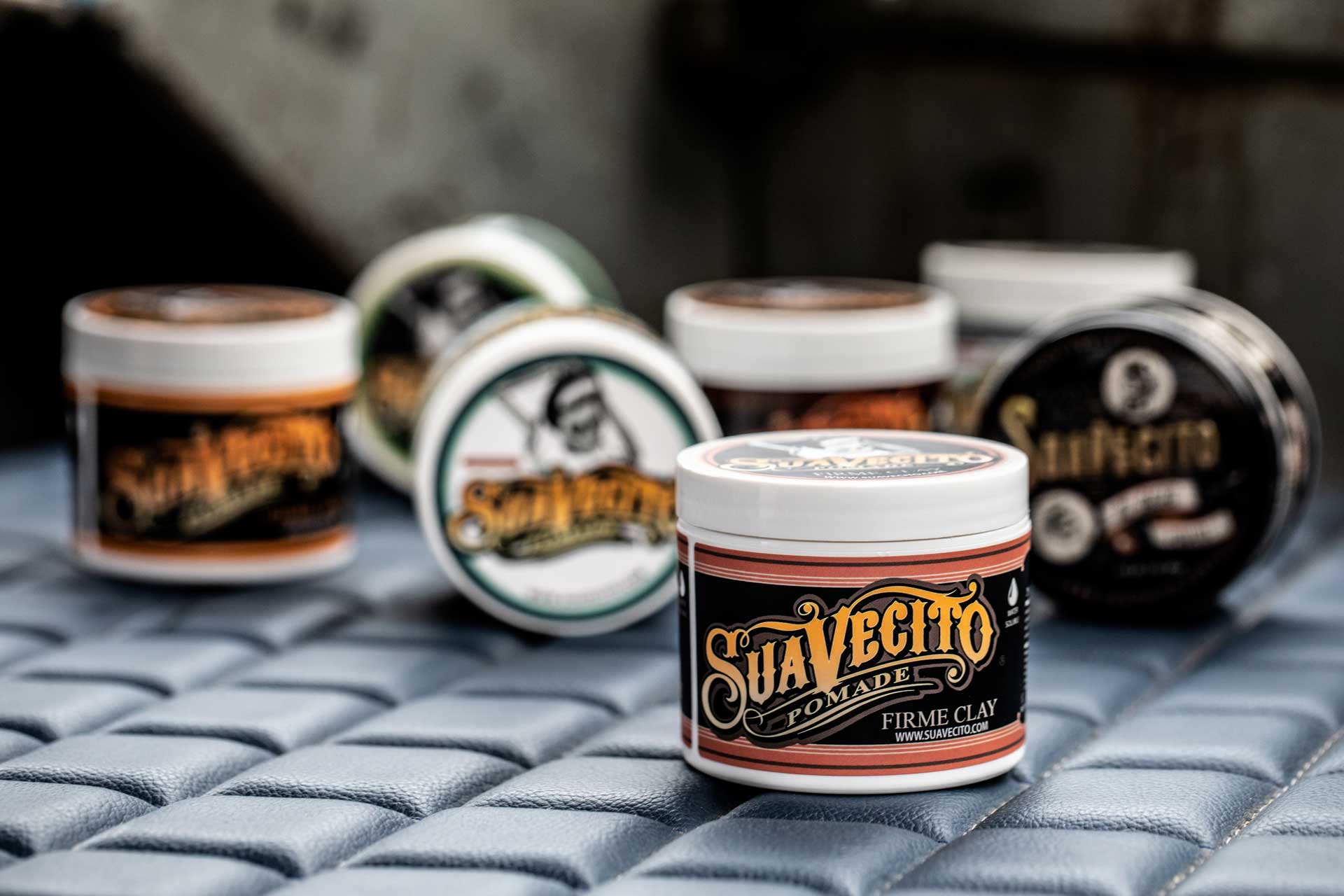
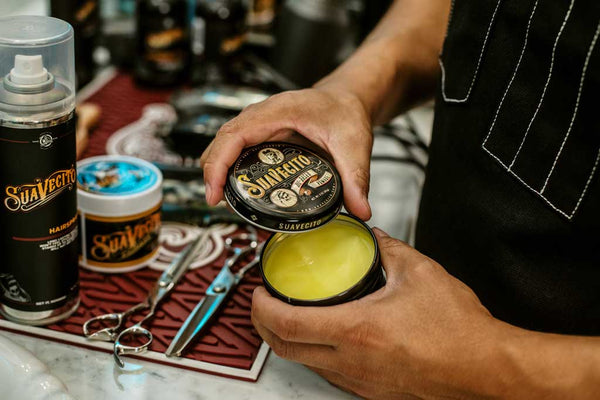
Suavecito pomades are world renowned for what has been dubbed, “The Classic Suavecito Scent”. We pride ourselves in offering the most complete line of products for all types of hair. Whether you need heavy pomade to keep hair high and tight, or you need a light styling cream for a texturized and loose look, we’ve got you covered.

SHAVE
Shave with comfort and ease knowing you are using the best. Our shaving products are formulated to make sure you have a great and healthy shaving experience. Our line offers products for both personal and professional use and will leave your face feeling clean and fresh, just how it should be.

BEARD
A good beard is one that is maintained and well groomed. Our beard line offers products that will keep your beard styled and clean. We believe that the hair on your face should look just as firme as the hair on your head.

ABOUT US
Suavecito was originally built on the foundation of providing the highest quality men’s hair care products without breaking the bank. In an industry bogged down with high price points, there was a need to provide products that we loved at a fraction of what people were used to paying. This also helped to focus our energy on providing a product that barbershops and retailers could make higher margins on when compared to other brands. This ensured new and organic growth in a grassroots manner which lead to an increase in retail customers.
SEASONAL POMADES
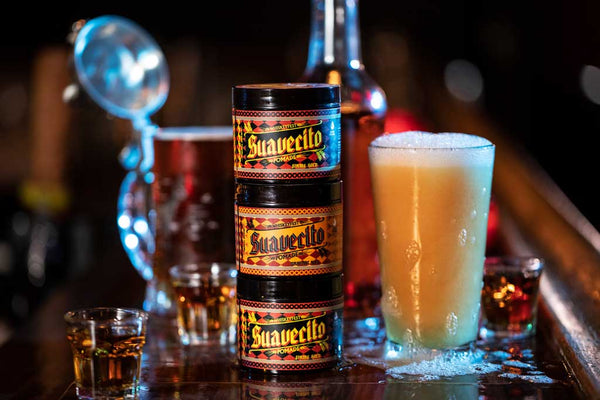
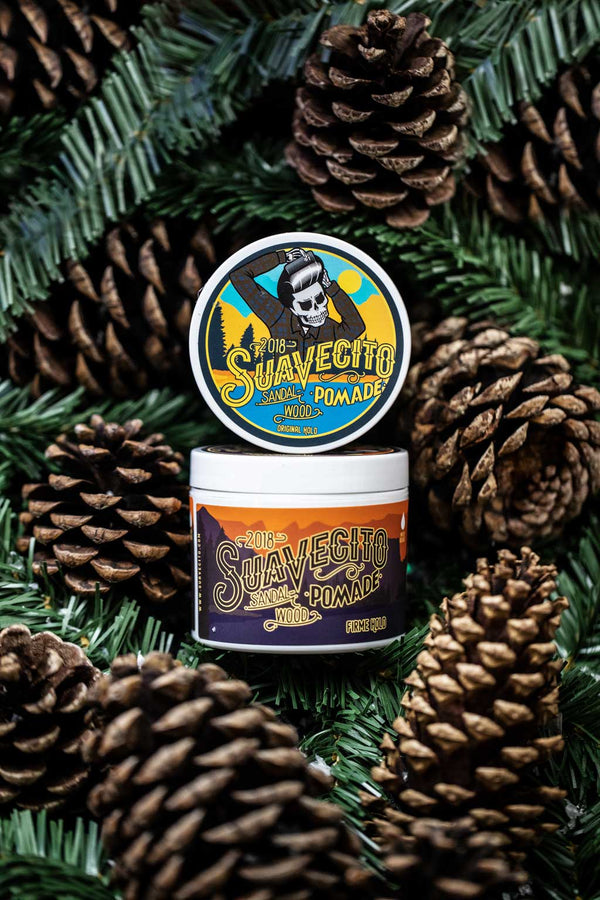
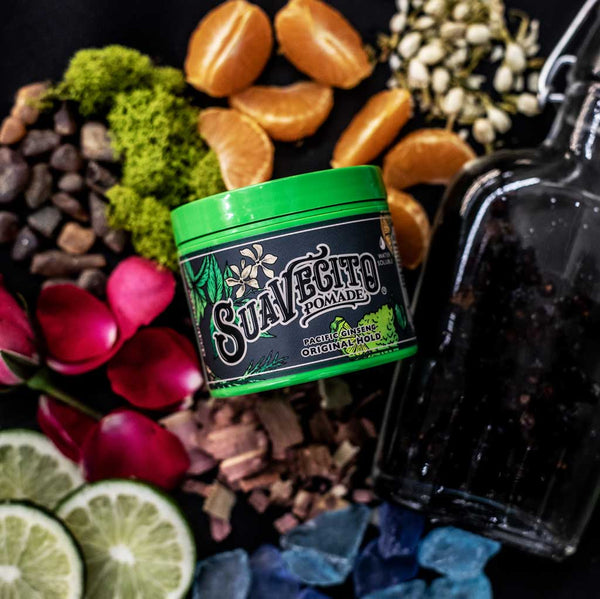
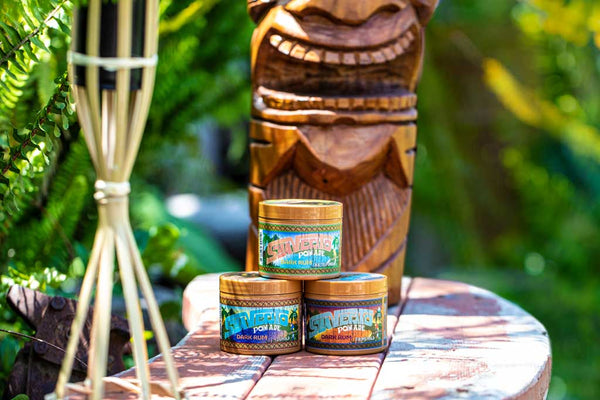
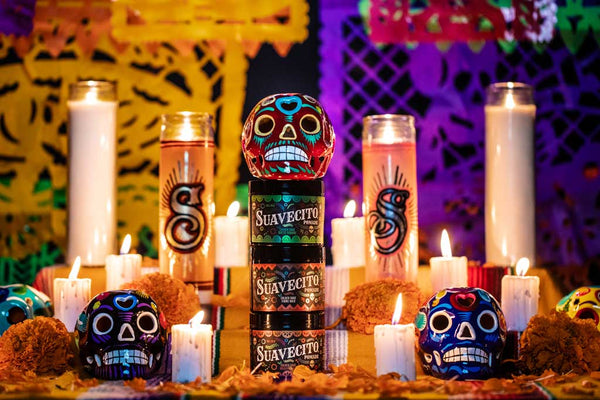
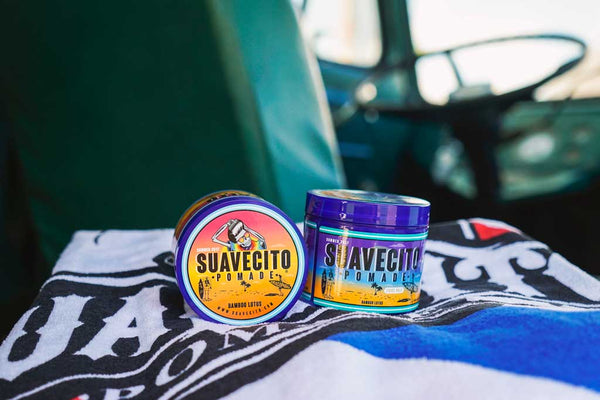
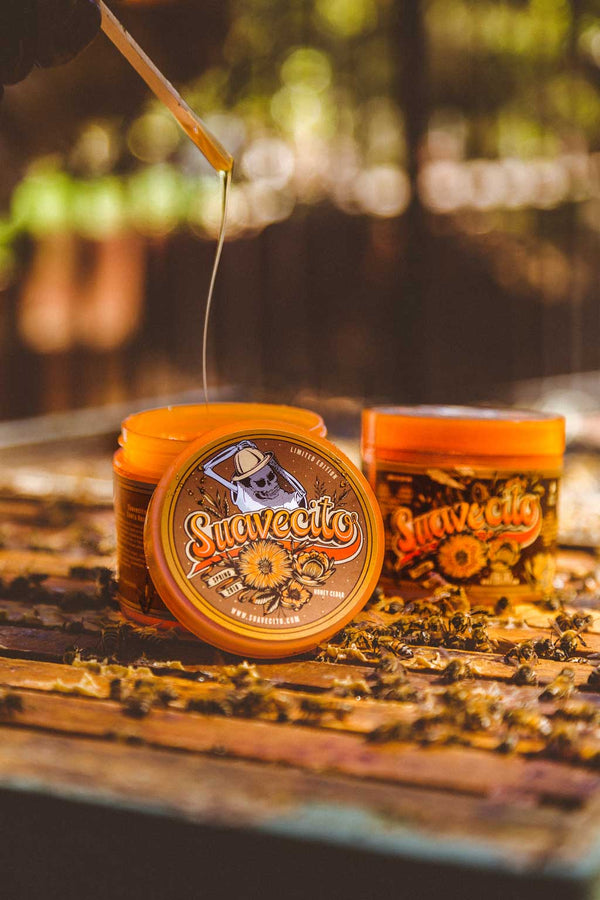
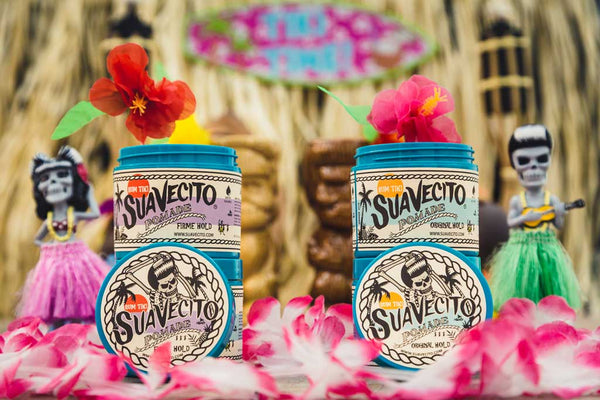
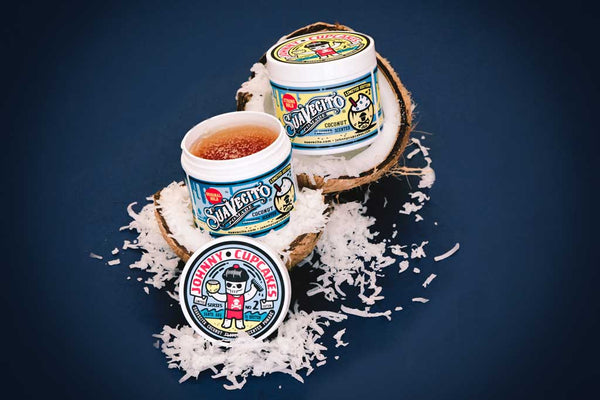
Suavecito is proud to always be thinking outside of the box! Our seasonal releases have become a staple and are an element in men’s grooming completely unique to our brand. With unique scents and custom packaging that tie directly to a time of year and current trend, these one-off releases give our customers another reason to stay engaged and keep coming back for more. Best of all, these releases are advertised as limited and always sell out which builds hype and demand.



COLLABORATIONS
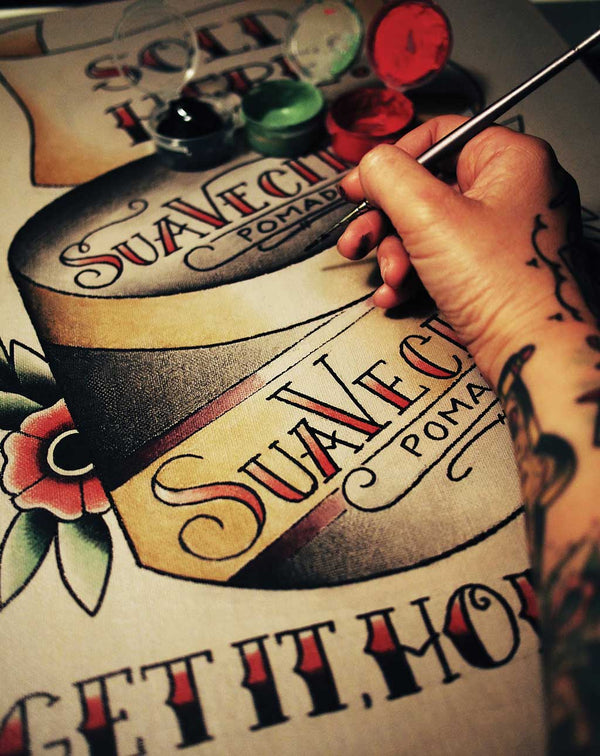
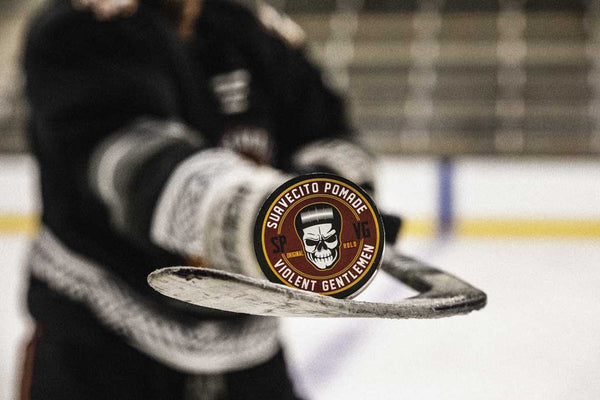
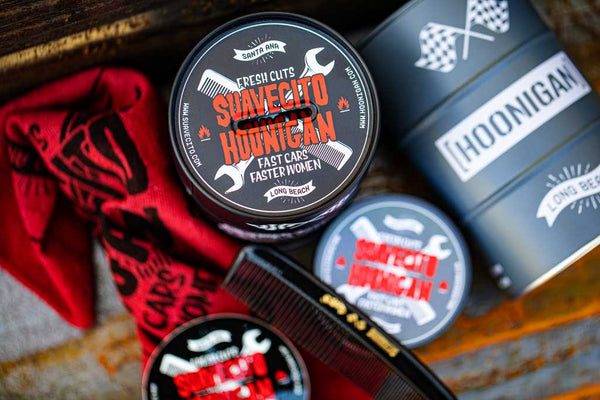
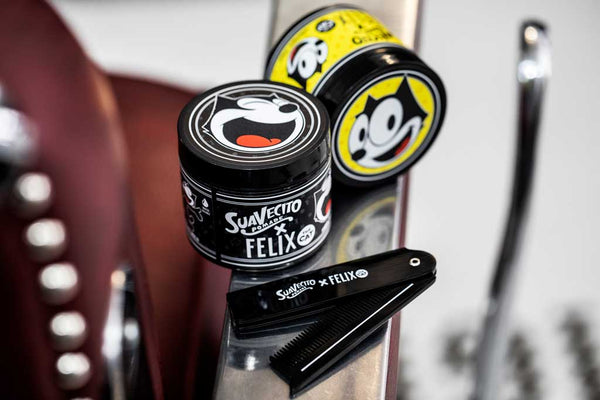
Suavecito has always felt that collaborations and partnerships have been extremely important for exposure to a variety of communities and for press exposure. Numerous brand collaborations with barbershops, tattoo shops and artists have done very well for Suavecito. These ventures have garnered a positive community reaction which translates to high exposure via social media interaction. We also work with other brands and pop culture icons such as Johnny Cupcakes, Felix the Cat, Social Distortion, Universal Monsters, The Hoonigans and Tribal Streetwear, among others.
Global Penetration
Distribution in 6 Continents

Global Penetration
Distribution in 6 Continents

CULTURE
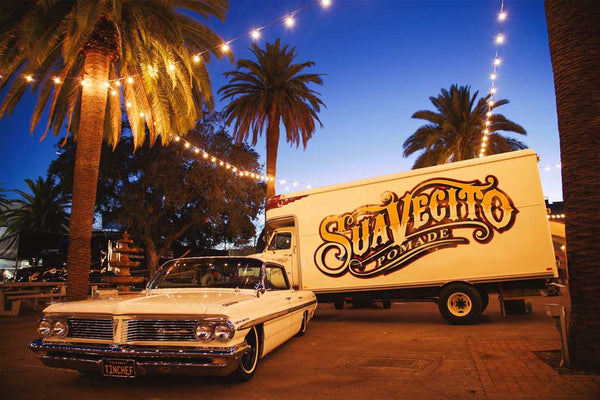
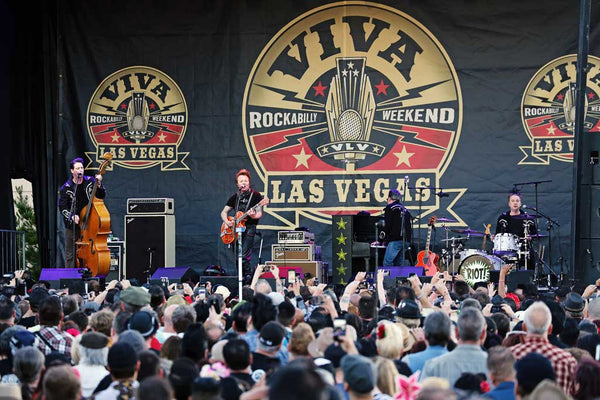
Suavecito’s roots were largely focused on connecting with the people and lifestyle associated with the classic pompadour of the rockabilly scene. Through the continued support of musicians, artists, local car shows and music festivals, Suavecito has been able to associate itself with something bigger than just a pomade or this specific scene.
Suavecito has expanded beyond that original market to refocus attention on the rise of varying trends and tastes with the types of products and projects that are now supported and marketed toward. Work with various artists and social media influencers, the brand has been able to connect with the target demographic on a more personal level that sets Suavecito apart from all of it’s competition.
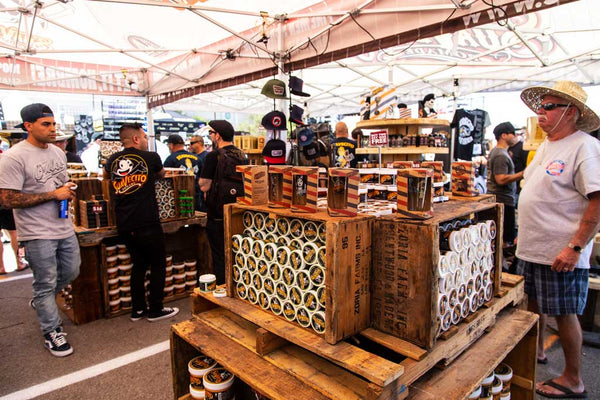
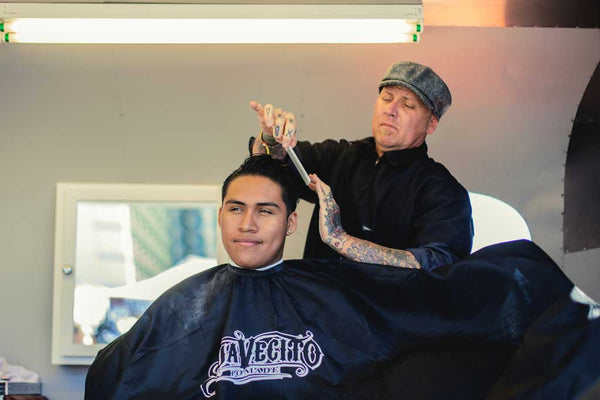
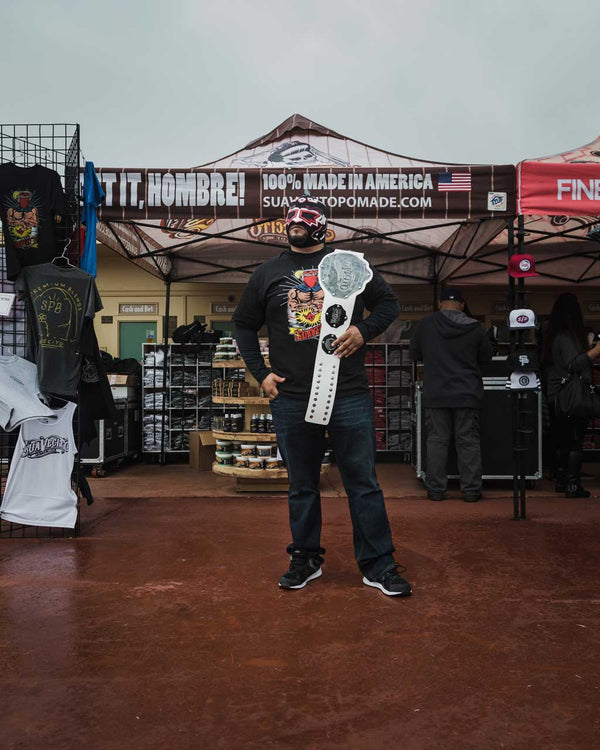
Since the start of Suavecito, the focus has been to garner a lot of attention on attending and sponsoring special events and trade shows in order to engage with the customer on a personal level: grassroots marketing.